Gaming enthusiasts constantly seek the next performance boost to keep pace with increasingly demanding titles. The reality is that modern games push visuals to their limits, and a well‑tuned PC is essential for smooth gameplay. When you target high graphics settings, the choices you make in hardware upgrades determine how well your system can maintain frame rates and visual fidelity. The most noticeable gains come from upgrading the core components: the graphics card, memory, storage, and cooling solution. Together these upgrades form a resilient backbone for any serious gamer. Even a modest refresh can unlock new aesthetics and reduce stutter. Most players underestimate how much a proper GPU upgrade can elevate their experience. Properly chosen components not only boost performance but also future‑proof the setup. Knowing what to upgrade and how to combine these parts makes a massive difference. Below we outline the essential upgrades, each framed around high graphics settings. Let’s dive into the details and find the path to a truly immersive PC gaming machine.
Optimizing Graphic Cards for High Graphics Settings
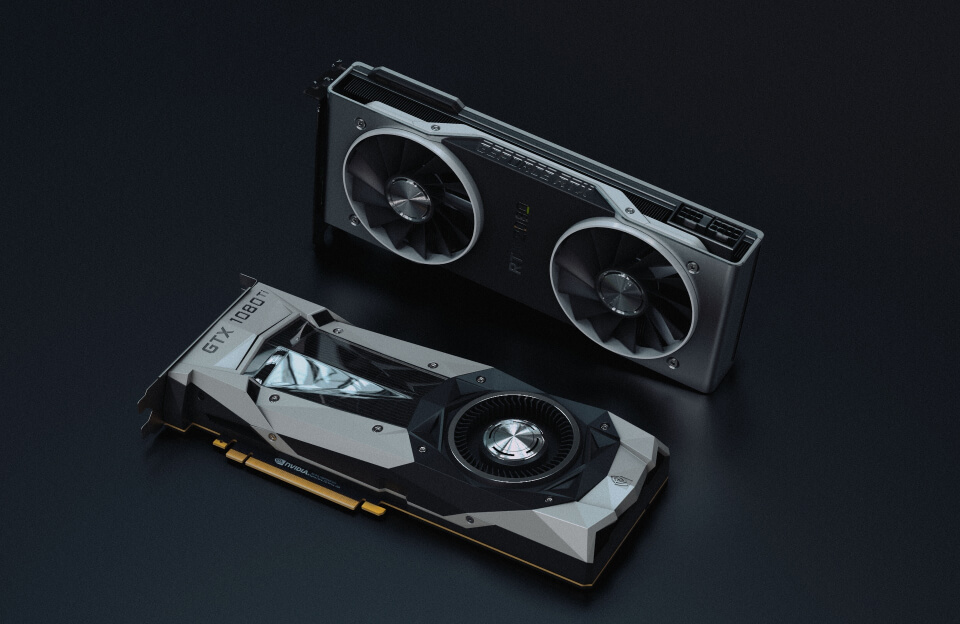
At the heart of any high‑graphics‑settings rig lies a powerful GPU. A modern graphics card must deliver the floating‑point power required for 4K textures, ray tracing, and high refresh rates. NVIDIA’s RTX 40 series and AMD’s Radeon RX 7000 series represent the latest wave of performers. These cards offer real‑time ray tracing cores, enhanced tensor units, and substantial VRAM, collectively enabling smoother visuals at maximum settings. When selecting a GPU, consider its double‑precision compute, memory bandwidth, and core clock speeds. A higher memory interface translates directly to faster shader execution and texture streaming. Moreover, the VRAM amount determines how many resolution‑scale overlays you can run without bottlenecks. Modern GPUs also support variable‑rate shading and hardware‑accelerated denoising, which reduce frame‑time spikes without sacrificing quality. The most powerful choices for high graphics settings include the RTX 4080 and the Radeon RX 7900 XT. Both compete closely in performance while offering distinct advantages depending on the game title. Ultimately, a GPU upgrade will yield the most significant lift in visual fidelity and responsiveness.
- Core Clock Speed (GHz): Determines the rate at which the GPU processes frames.
- Memory Bandwidth (GB/s): Enables fast texture and shader data transfer.
- VRAM Size (GB): Supports high‑resolution textures and multi‑layer anti‑aliasing.
- Ray Tracing Cores: Handles real‑time light reflections and shadows.
- Tensor Cores: Accelerate AI‑based upscaling and denoising.
For players constrained by budget, the RTX 3070 Ti or the AMD RX 6800 provide excellent balance of performance and price. These cards still support ray tracing but at lower clock speeds, making them more affordable for mid‑tier builds. To ensure the chosen GPU operates in its optimal temperature range, pair it with a reliable 80‑plus certification power supply and consider the PCIe configuration. A modern 8‑lane slot (x8) offers ample bandwidth for most high‑end GPUs, but some titles may benefit from the newer 5‑lane configuration (x16). Check out these benchmarks for real‑world data: PCPartPicker.
| GPU Model | Core Clock (MHz) | Memory Bandwidth (GB/s) | VRAM (GB) | Ray Tracing Cores |
|---|---|---|---|---|
| RTX 4080 | 1860 | 912 | 16 | Yes |
| RX 7900 XT | 2250 | 1006 | 20 | Yes |
Upgrading Memory for Smooth Gameplay and High Graphics Settings
RAM is frequently overlooked in high graphics settings, yet its speed and capacity directly influence frame buffers and texture loading times. Modern games rely on large working sets that require at least 16 GB of DDR5, but 32 GB is advisable for 4K gaming and multitasking. High clock speeds—up to 6000 MHz—provide additional headroom for data transfer during demanding scenes. When paired with a dual‑channel design, a 32‑GB kit can deliver a substantial performance gain in memory‑intensive titles. A key factor is latency: CL16 or lower is recommended for the best synergy with high graphics settings. In addition, selecting a memory kit that features heat spreaders helps maintain lower operating temperatures. The synergy between memory speed and GPU bandwidth cannot be overstated—games that employ large texture caches benefit most from the fastest modules.
If your system already has 16 GB, consider upgrading to at least 32 GB before increasing the GPU. A 32‑GB kit can resolve stutter caused by memory swapping in high‑resolution textures. For AMD or Intel platforms, choose modules that match the CPU’s supported speed. For example, Intel’s Alder Lake architecture recommends DDR5 at 4800 MHz or higher for maximum performance. Compatibility can be verified on PCPartPicker and verified on the motherboard manual. The memory upgrade, while modest in cost, yields noticeable improvements in smoothness and multitasking.
To further maximize performance, enable XMP profiles in the BIOS. This ensures your memory runs at its rated speed rather than defaulting to the conservative base frequency. With XMP enabled, your system can maintain higher frame rates during texture‑heavy scenes, aligning closely with high graphics settings. Always test the new modules with a benchmark such as 3DMark or Unigine Heaven to confirm stability and performance gains.
Enhancing Storage Speed to Support High Graphics Settings
Fast storage reduces load times and texture streaming delays, which are critical when pushing games to high graphics settings. An NVMe SSD backed by PCIe 4.0 or 5.0 delivers sequential read speeds exceeding 7 GB / s, far surpassing SATA SSDs. This speed allows the operating system and games to access resources quickly, preventing stalls during heavy render passes. When evaluating storage, consider both read/write latency and sustained throughput, as games often perform random reads for texture data. M.2 NVMe drives like the Samsung 970 EVO Plus or the Western Digital Black SN850 offer proven performance for demanding titles. Additionally, a secondary drive—whether another NVMe or a high‑speed SATA SSD—can host background tasks such as game downloads, freeing the primary drive for active gameplay.
If you already own a SATA SSD, upgrading to NVMe can cut load times by up to 50%. This advantage becomes more pronounced with high graphics settings, as the CPU must fetch more data per frame. Many modern motherboards now support NVMe over PCIe 4.0, which provides a 10% bandwidth increase over 3.0, translating to smoother data streams for textures and shaders. When selecting an SSD, verify the endurance rating (TBW) and seek at least a 600 TBW for longevity. The upfront cost is justified by the increased stability and faster launch times as games demand more resources.
Beyond faster storage, consider the impact of a proper SSD firmware update. Manufacturers release micro‑code that optimizes NVMe I/O patterns, which can yield additional performance. Regularly check the SSD’s web portal for firmware releases. For ultimate performance, pair your NVMe SSD with a high‑end CPU that can handle the data bandwidth, preventing the CPU from becoming the bottleneck during rendering on high settings.
Improving Thermal Management to Sustain High Graphics Settings
High graphics settings generate significant heat as the GPU, CPU, and memory ramp up to their maximum frequencies. If thermal throttling occurs, the system will drop to lower clock speeds, defeating the purpose of the upgrade. A robust cooling system keeps components within safe temperature ranges and maintains consistent performance. An AIO (All‑In‑One) liquid cooler or a high‑quality air cooler with a 140 mm fan can effectively dissipate heat from the CPU. For GPUs, consider aftermarket coolers that replace the stock radiator or include a dual‑fan design for increased airflow.
Selecting a power supply with an 80‑Plus Gold certification ensures efficiency and reduces waste heat. A lower power draw translates to less heat emitted by the PSU, helping the entire system stay cooler. Furthermore, use thermal pads on the motherboard to improve heat transfer to VRMs. A good practice is to install a case fan kit that creates a front‑to‑back airflow pattern, pushing hot air out of the rear. Proper cable management reduces airflow obstruction, enabling the fans to work at optimal capacity.
To monitor temperatures, software such as MSI Afterburner or HWMonitor provides real‑time readings. Pay close attention to GPU clock and temperature metrics while rendering scenes that push high graphics settings. If temperatures approach 85 °C, consider tightening the fan curve or upgrading the cooler. Overclocking the GPU slightly can also help maintain higher core clocks during intense rendering, but this should be accompanied by a stronger cooling solution to avoid throttling.
Finally, environmental temperature matters. Keep your gaming room at a comfortable 68°F (20°C) to ensure efficient thermal dissipation. Many gamers turn off lights to reduce ambient heat, but light bulbs contribute to case temperature. Proper ventilation and, if necessary, an external fan or air conditioner can maintain optimal conditions.
By focusing on these four upgrade categories—GPU, memory, storage, and cooling—you can transform any gaming PC into a powerhouse that thrives on high graphics settings. Don’t let outdated components limit your visual experience; elevate each element to match your ambitions. Ready to upgrade? Start with a comprehensive assessment of your current build and select the best parts within your budget. Feel free to share your upgrade story, ask questions, or consult with us for personalized advice. Take the next step toward flawless gaming—upgrade today and unlock the true potential of your setup!